4.9/5 ⭐⭐⭐⭐⭐
Based on
4.9/5 ⭐⭐⭐⭐⭐
Based on

Nyerere National Park
The Nyerere National Park, which used to be called Selous Game Reserve, is one of the largest protected areas in the world. It is located in southern Tanzania. Since 1982 it is a UNESCO World Heritage Site. This is due to its wildlife diversity and undisturbed……
Nyerere National Park – Wild Diary Safaris
Nyerere National Park is the largest national park in Tanzania and one of Africa’s greatest wilderness destinations. Formerly part of the famous Selous Game Reserve, the park covers vast landscapes of savannah, rivers, lakes, wetlands, and forests, offering an authentic safari experience far from crowded tourist routes.
Named after Tanzania’s first president, Julius Nyerere, Nyerere National Park is renowned for its untouched beauty, incredible wildlife diversity, and unique safari activities such as boat safaris along the mighty Rufiji River.
This spectacular park provides visitors with a true sense of African wilderness and adventure.
Wildlife in Nyerere National Park
Nyerere National Park is home to one of the richest concentrations of wildlife in East Africa. The park supports large populations of:
- Elephants
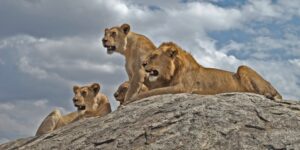
- Lions
- Leopards
- Buffaloes
- Hippos
- Crocodiles
- Giraffes
- Zebras
- Wildebeests
- Hyenas
- Antelopes
The park is especially famous for its endangered African wild dogs, making it one of the best places in Africa to see these rare predators in the wild.
The extensive Rufiji River system attracts wildlife year-round and creates excellent game viewing opportunities throughout the park.
The Rufiji River Experience
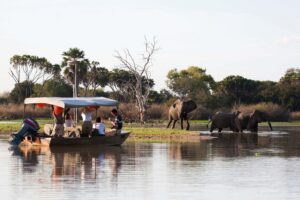
The Rufiji River is the lifeblood of Nyerere National Park and one of its most iconic features. Flowing through the heart of the park, the river forms channels, lagoons, and lakes that support enormous populations of hippos, crocodiles, fish, and birdlife.
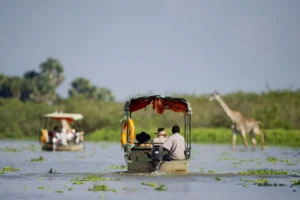
Boat safaris on the Rufiji River offer a unique perspective of the African wilderness, allowing visitors to get close to wildlife gathering along the riverbanks while enjoying stunning sunsets and peaceful scenery.
Landscapes & Natural Beauty
Nyerere National Park features incredibly diverse landscapes, including open plains, acacia woodlands, riverine forests, wetlands, and palm-fringed lakes.
Its remote setting and vast untouched wilderness make it one of Tanzania’s most scenic safari destinations and an ideal place for travelers seeking privacy, exclusivity, and adventure.
Activities in Nyerere National Park
Wild Diary Safaris offers a variety of unforgettable experiences in Nyerere National Park:
- Game Drives
- Boat Safaris on the Rufiji River
- Walking Safaris
- Bird Watching Tours
- Fly Camping Experiences
- Wildlife Photography Safaris
- Sundowner Experiences
- Fishing Excursions
Birdlife in Nyerere National Park
The park is also a paradise for bird enthusiasts, with more than 440 bird species recorded. Visitors may spot:
- African Fish Eagles
- Kingfishers
- Bee-eaters
- Pelicans
- Herons
- Saddle-billed Storks
- African Skimmers
The wetlands and river systems create ideal habitats for both resident and migratory bird species.
Travel Time to Nyerere National Park
- Dar es Salaam to Nyerere: Approximately 5–6 hours by road
- Domestic flights available from Dar es Salaam, Zanzibar, and Arusha
- Zanzibar to Nyerere by flight: Approximately 1 hour
Travel Tips from Wild Diary Safaris Experts
Nyerere National Park is ideal for travelers looking for a quieter and more exclusive safari experience combined with incredible wildlife viewing and river adventures. Boat safaris on the Rufiji River are among the most memorable safari experiences in Tanzania.
Recommended Stay
- Minimum stay: 2–3 days
- Recommended: 4–5 days for a complete wilderness safari experience
Recommended Accommodation
Wild Diary Safaris recommends luxury tented camps and riverside safari lodges that offer beautiful views, close wildlife encounters, and authentic bush experiences.
Best Time to Visit Nyerere National Park
The dry season from June to October is the best time for wildlife viewing, as animals gather around rivers and water sources.
The green season from November to March offers lush scenery, fewer visitors, and excellent birdwatching opportunities.
Information and Facts – Nyerere National Park
Nyerere National Park is Tanzania’s largest and most untouched wilderness area, offering an incredible safari experience far from crowded tourist destinations. Once part of the famous Selous Game Reserve, it is now one of Africa’s most important protected ecosystems, known for its vast landscapes, rich wildlife, and the mighty Rufiji River.
Facts about Nyerere National Park
- Located in southern Tanzania
- One of the largest national parks in Africa
- Part of the Greater Selous ecosystem
- Dominated by the Rufiji River system
- Easily accessed from Dar es Salaam by road or flight
Nyerere National Park Highlights
- Vast untouched wilderness and open savannahs
- Incredible wildlife diversity including the Big Five
- Famous African wild dog population
- Boat safaris on the Rufiji River
- Walking safaris with professional guides
- Stunning riverine forests, wetlands, and lakes
- Excellent birdwatching with hundreds of species
- Spectacular sunsets over the African bush
Nyerere National Park is the perfect destination for travelers seeking a true African wilderness experience with fewer crowds and unforgettable safari adventures.
Recommended For You
Chemka Hot Springs
Escape to the breathtaking Chemka Hot Springs, one of Tanzania’s hidden natural treasures. Nestled in a peaceful countryside setting near Moshi …….
Mkomazi National Park
Discover one of Tanzania’s best-kept safari secrets with Wild Diary Safaris on an unforgettable day trip to Mkomazi National Park. Located in northeastern …….
Mandara Hut Day Trip
Experience the magic of Mount Kilimanjaro with Wild Diary Safaris on this exciting Mandara Hut Day Trip. Perfect for travelers who want to explore Africa’s ……
Tarangire National Park
Discover the untamed beauty of Tarangire National Park with Wild Diary Safaris on an unforgettable day safari through one of Tanzania’s ……..
Serval Wildlife Sanctuary Day Tour
Experience one of Tanzania’s most unique wildlife attractions with Wild Diary Safaris on a memorable visit to the Serval Wildlife Sanctuary. Nestled in the beautiful Siha District ……
Arusha National Park
Discover the incredible beauty of Arusha National Park with Wild Diary Safaris on an unforgettable day safari through one of Tanzania’s most diverse and scenic protected areas …….
Maasai Boma Cultural Experience
Step into the fascinating world of the Maasai people with Wild Diary Safaris and experience one of Tanzania’s most authentic cultural encounters …….
Rau Forest Nature Walk & Moshi Town Tour
Experience the natural beauty and cultural charm of Moshi with Wild Diary Safaris on this relaxing full-day excursion.